



The Homarus Americanus - Preserved American Lobster Specimen
- Regulärer Preis
-
$635.70 - Regulärer Preis
-
- Verkaufspreis
-
$635.70
This item is on sale, use code NEWSPACE26 to get 26% discount
Abholverfügbarkeit konnte nicht geladen werden
Real Preserved Lobster with Powerful Claws and Impressive Size
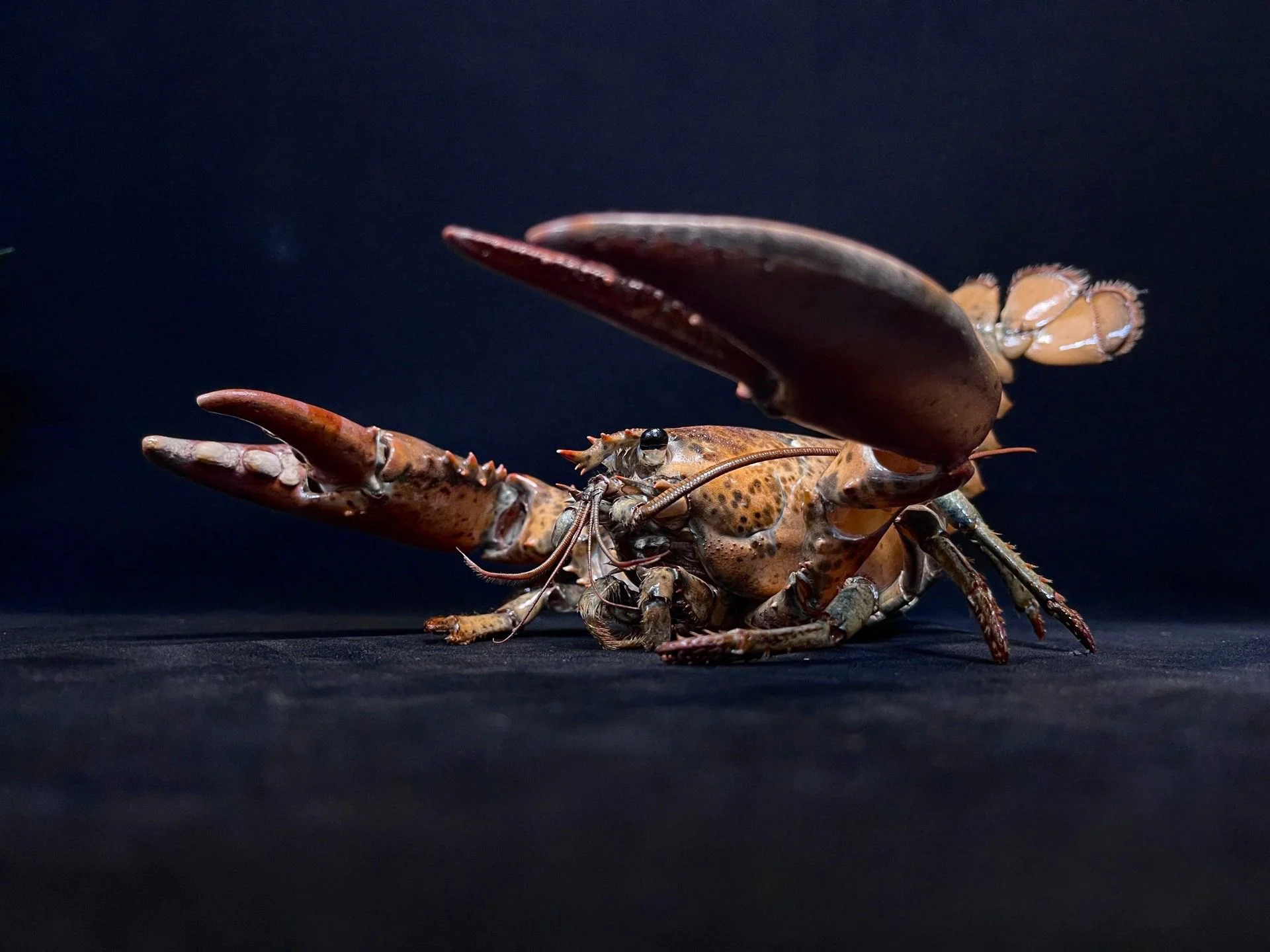
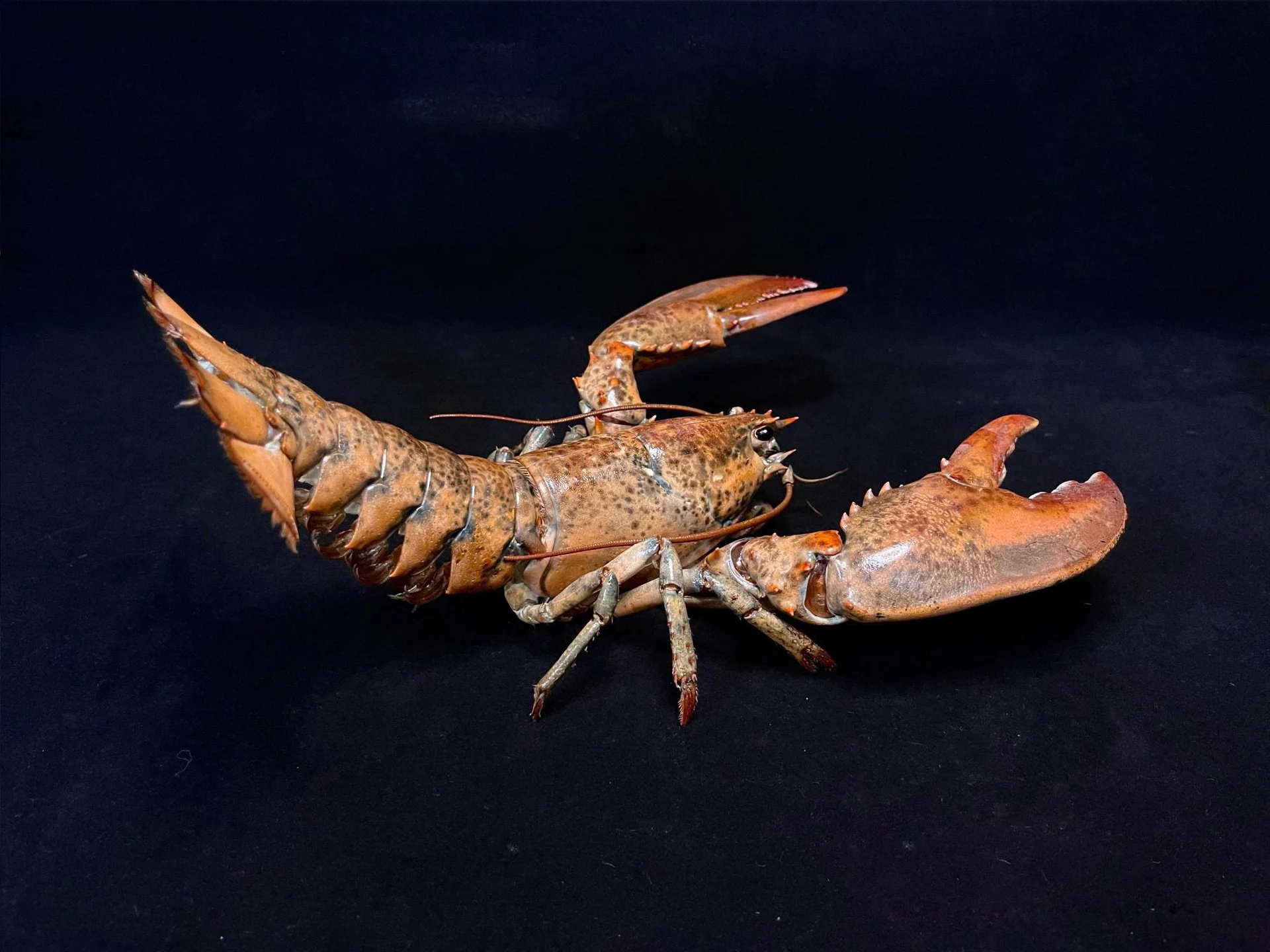
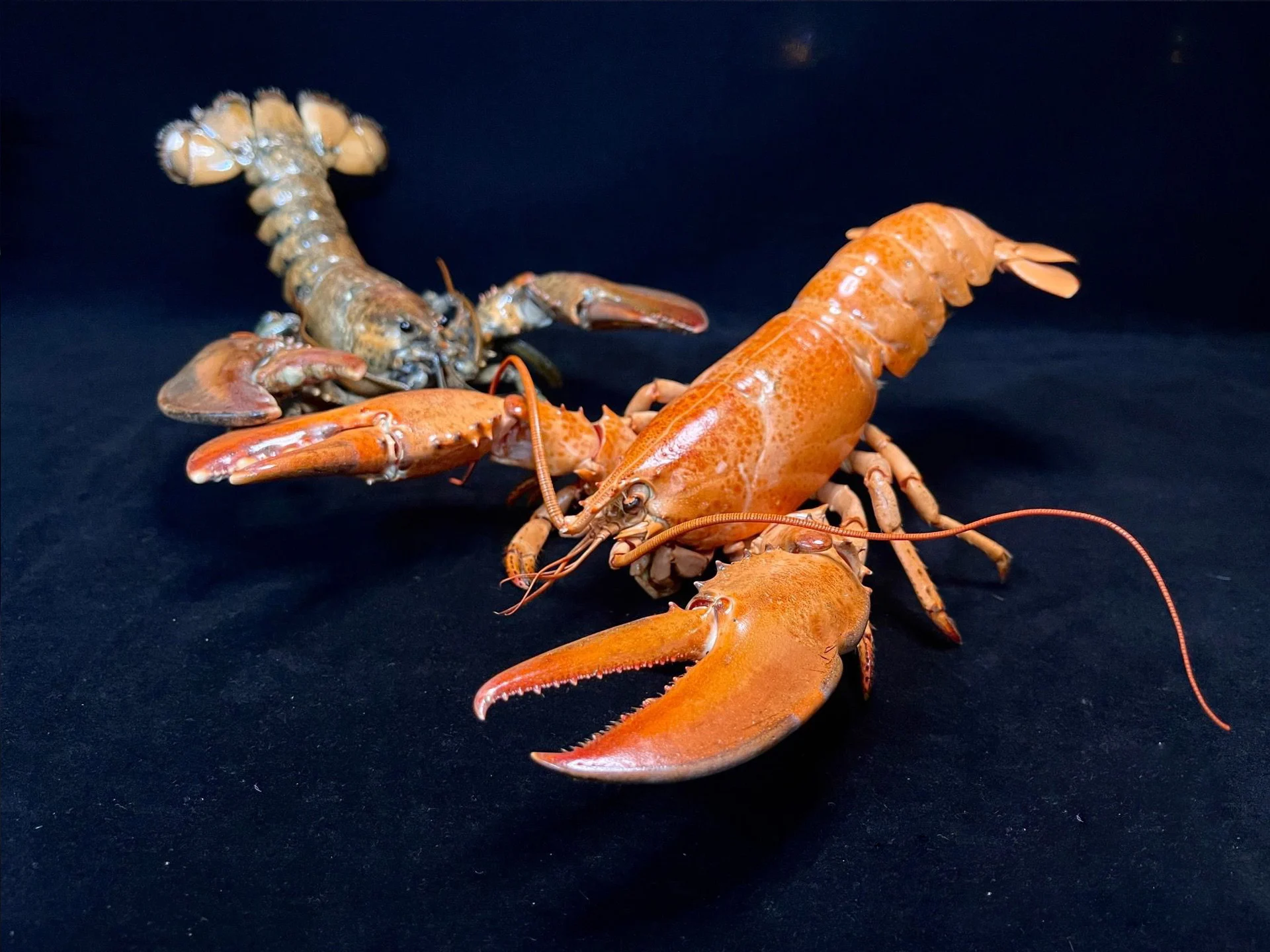
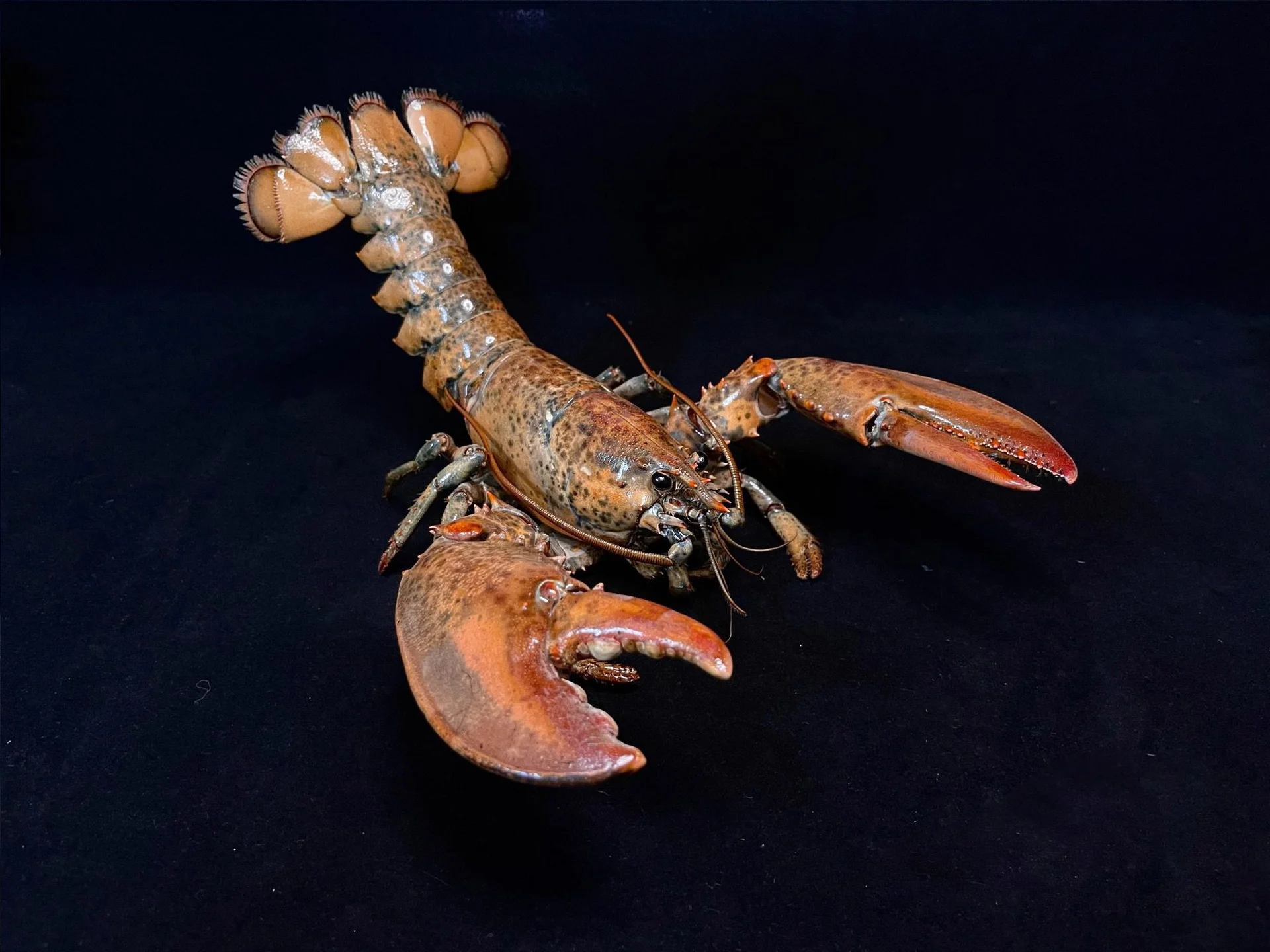
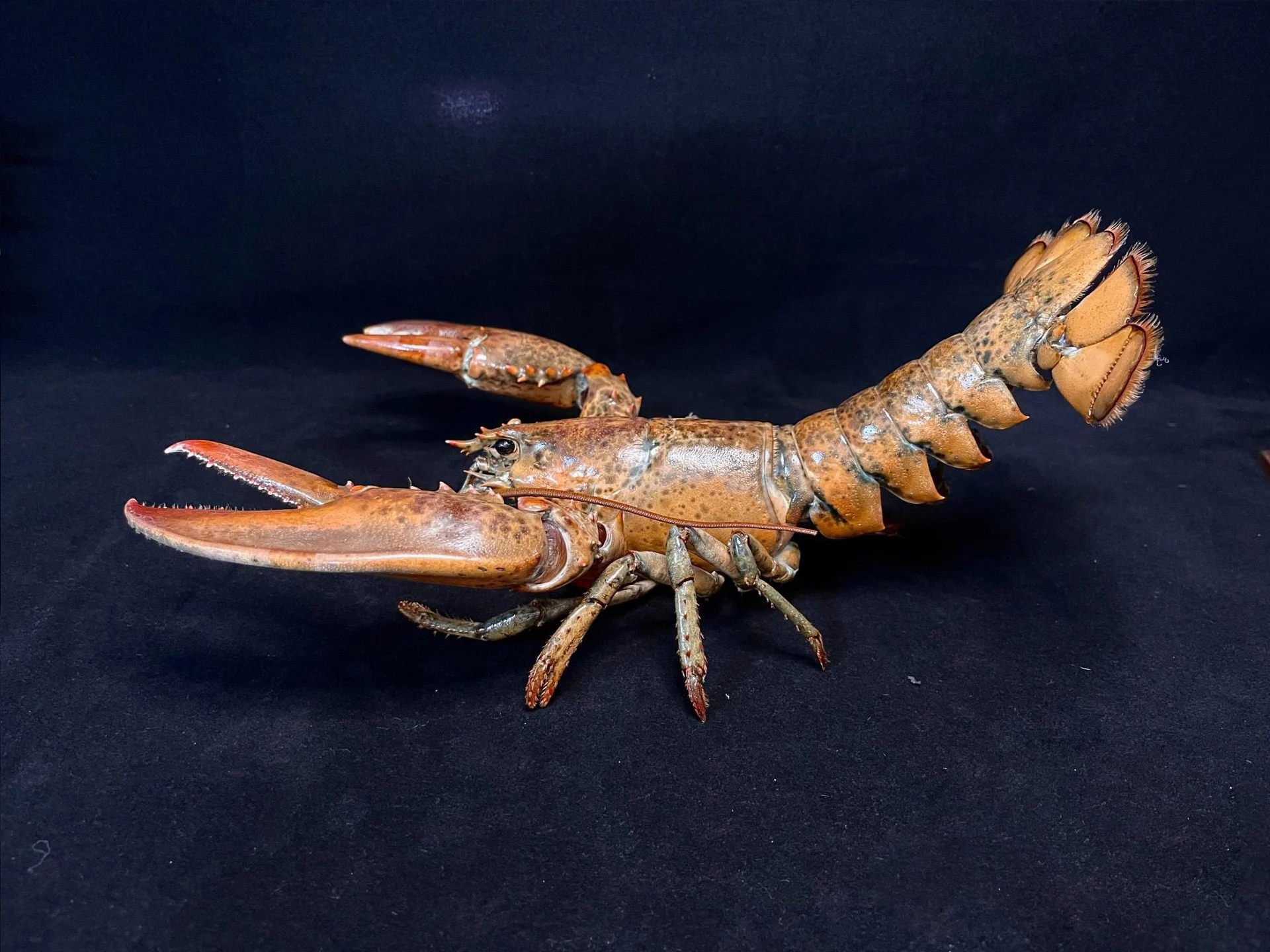
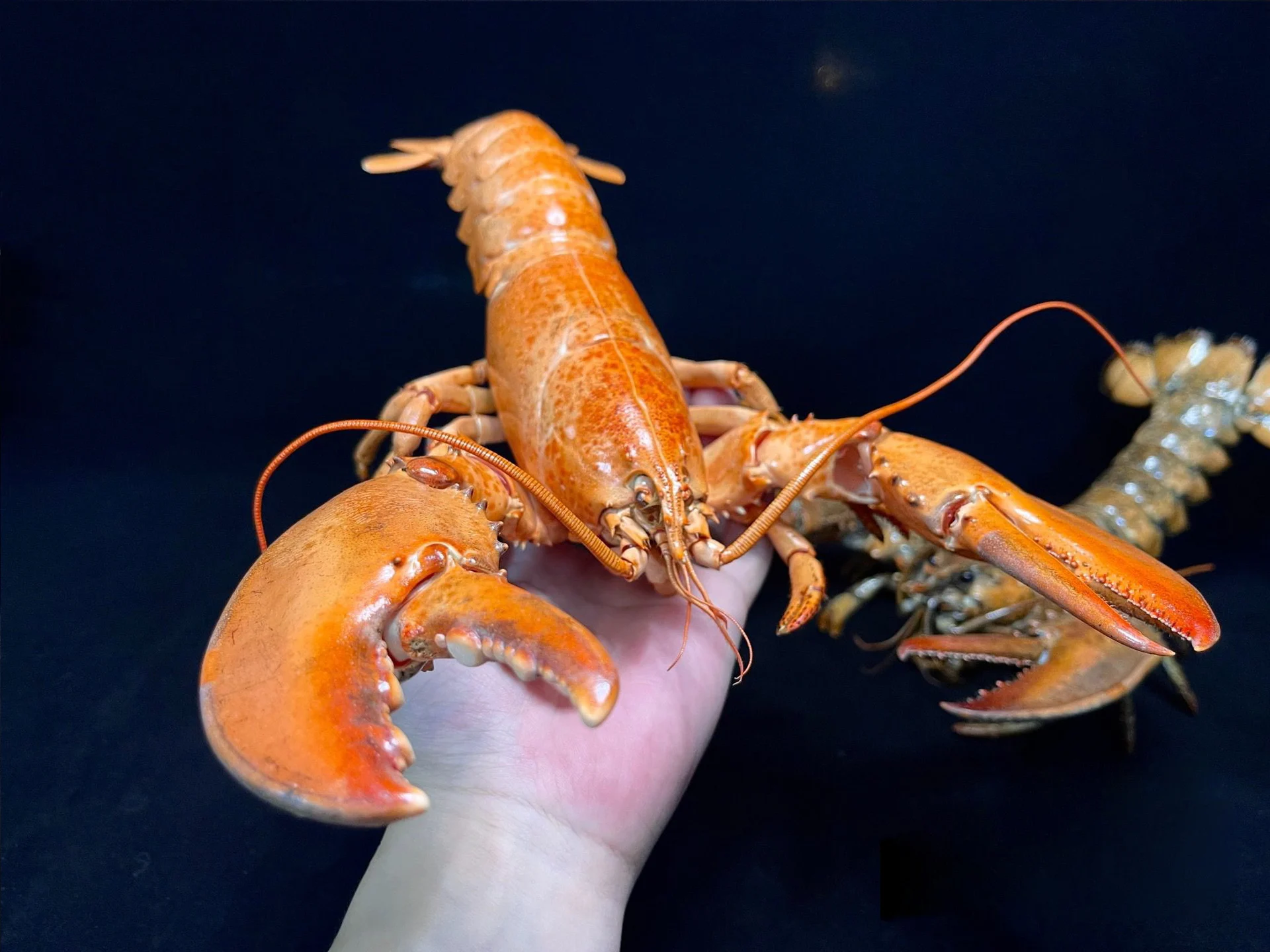
Actual Homarus Americanus (American lobster) specimen preserved and mounted for display. Distinguished by large crushing claws, long segmented tail, and substantial size. Natural shell coloring preserved. Each specimen unique. Scientific collection and impressive decorative display piece.
Homarus Americanus - American Lobster
Large marine crustacean native to Atlantic coast. Also known as Maine lobster or Canadian lobster. One of heaviest crustacean species in world.
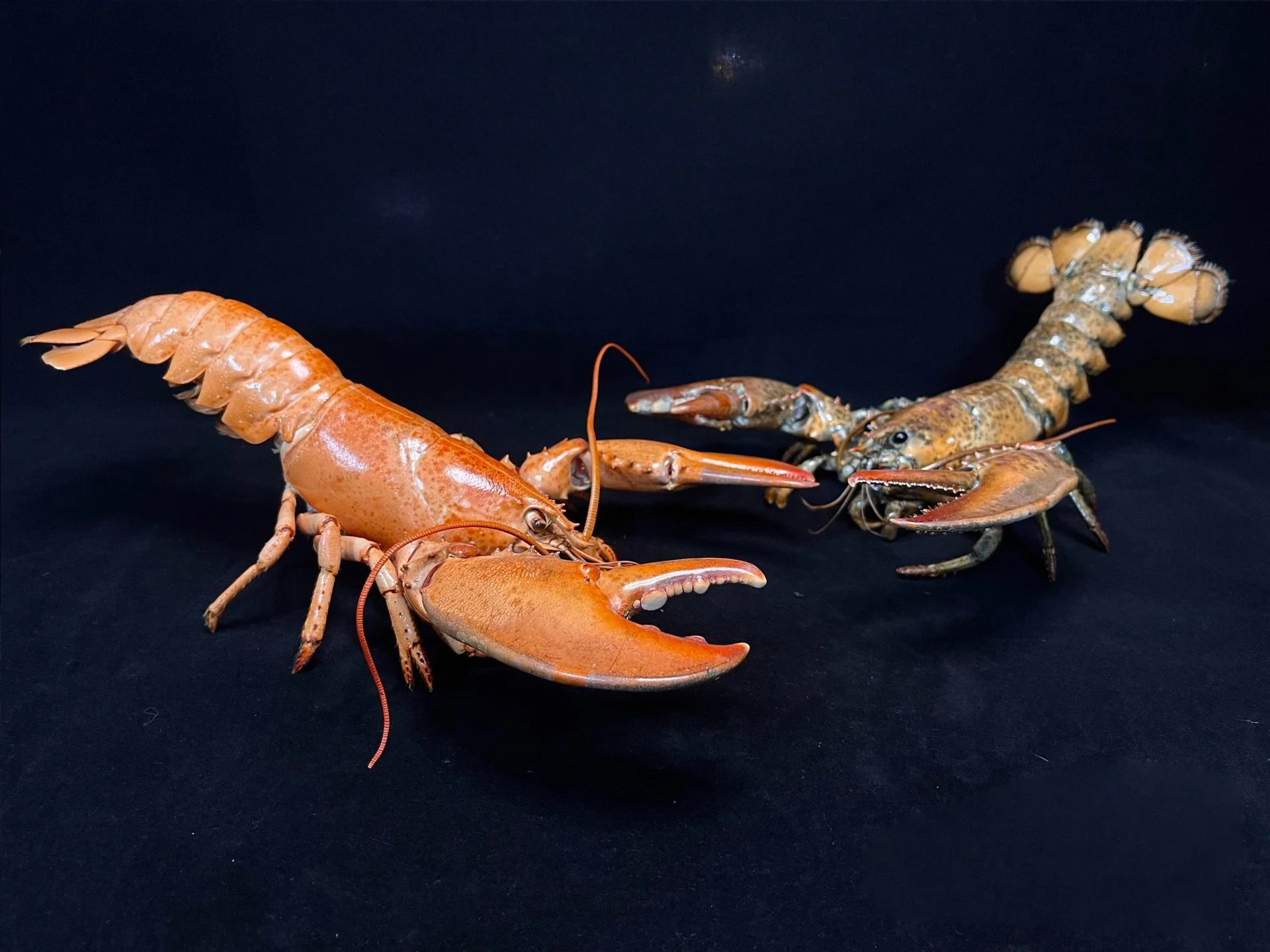
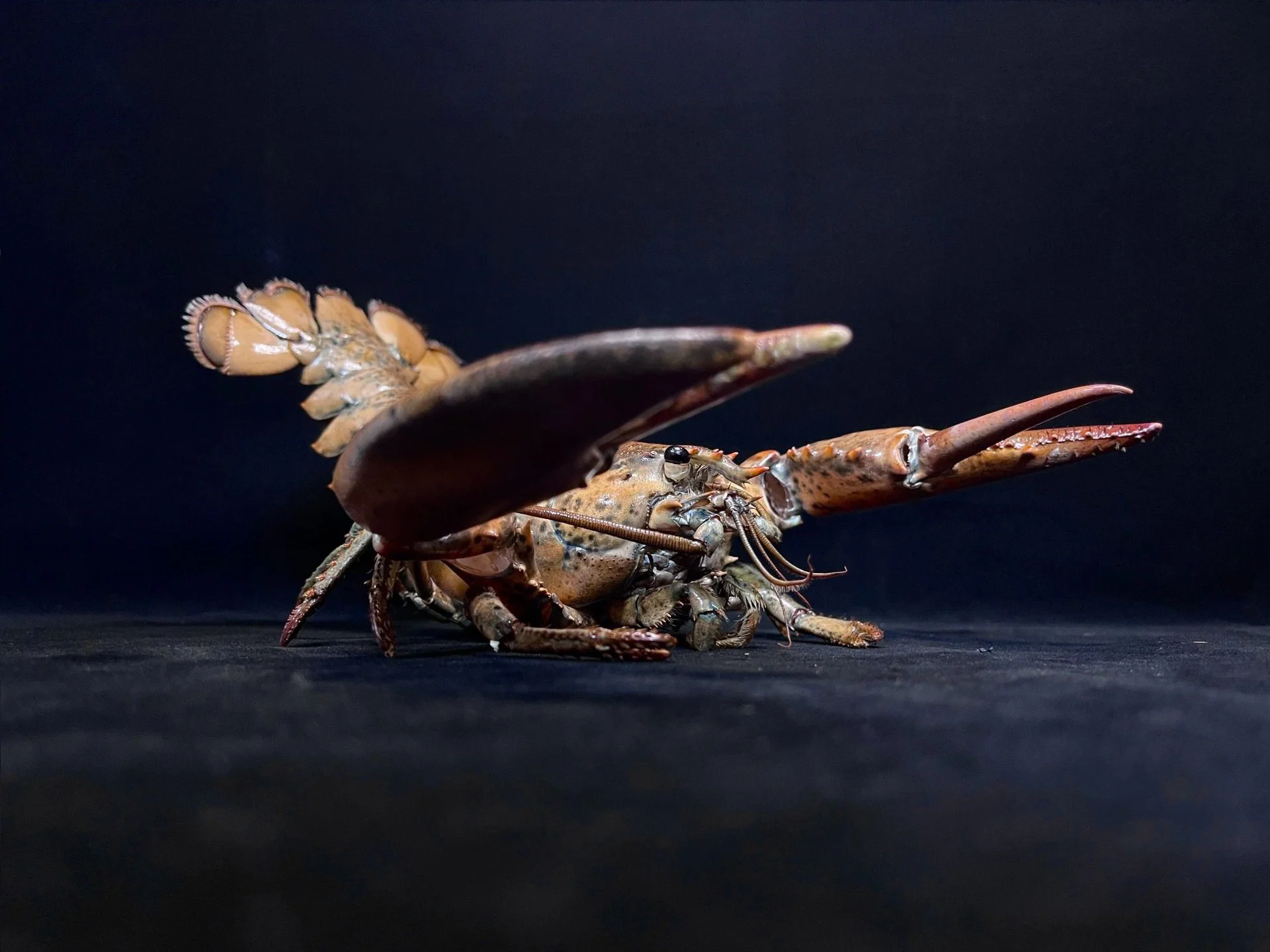
Distinctive features: massive asymmetric claws (one crusher, one ripper), long muscular tail, extended antennae, segmented armored body, walking legs.
Not a crab. Lobster body plan fundamentally different: elongated abdomen (tail), different claw structure, different locomotion.
"Mighty and Majestic"
American lobsters reach impressive sizes. Large claws demonstrate power. Long body creates commanding presence. Among most visually striking preserved crustacean specimens available.
Physical form suggests strength and marine dominance. Apex predator appearance.
Anatomical Features
Asymmetric Claws
Two large front claws serve different purposes:
Crusher Claw: Larger, rounded, molar-like teeth. Used for crushing shells and hard prey. Typically more massive.
Ripper/Cutter Claw: Smaller, sharper serrated edges. Used for tearing soft tissue and manipulating food.
Claw size often rivals body section dimensions. Major visual focal point.
Segmented Tail (Abdomen)
Long muscular tail section. Multiple articulated segments. Powerful swimming appendage in life. Curved under body or extended depending on preservation position.
Tail segments show natural armor plating. Creates impressive length.
Antennae and Sensory Appendages
Long thread-like antennae extend forward. Sensory organs for navigation and detection. Delicate but often intact in preserved specimens.
Additional smaller antennules between main antennae.
Walking Legs
Four pairs of smaller legs beneath body. Used for walking on ocean floor. May be tucked or extended depending on preservation position.
Preservation and Coloring
Natural Color Retention
Living American lobsters typically dark greenish-brown or bluish. During preservation process, shells often develop reddish-orange coloring (similar to cooked appearance) or may retain darker natural tones.
Color depends on: preservation method, specimen age, natural individual variation, timing of preservation.
Specimens may show: red-orange tones, brown earth tones, darker blue-green shades, or combinations.
Shell Condition
Exoskeleton preserved showing natural texture: smooth areas, spiny projections, segmented plates, claw teeth details.
Surface may show natural wear patterns, growth marks, or individual characteristics confirming wild-caught origin.
Specimen Preparation
Preservation Process
Real lobster cleaned, preserved, and dried for permanent display. Complex articulated body requires careful preparation to maintain structural integrity.
Claws, tail, antennae, and legs stabilized. Position set during preservation (cannot be repositioned after drying).
Not alive. Not edible. Preserved biological specimen for collection and display purposes only.
Mounting and Position
Large specimens typically positioned: lying on ventral surface (belly down) showing back, posed upright on legs, claws extended forward, or custom positions.
Condition Quality
Premium specimens selected for: impressive size, intact appendages, good color preservation, minimal damage, complete claw and antenna presence.
Claw span and antenna length add significantly to overall dimensions. Full extended measurement often 1.5-2x body length.
Weight:
Even dried specimens substantial. Large lobsters heavy enough to require sturdy display surfaces.
Display Space Requirements:
Lobsters need more display area than comparably-sized crabs. Long body plus extended claws and antennae require length and width.
Consider full dimensions including appendages when planning display location.
Display Characteristics
Visual Impact
Impressive size commands attention. Powerful claws create intimidating presence. Long body demonstrates marine creature scale.
Among most dramatic preserved crustacean specimens. Centerpiece-quality display piece.
Viewing Angles
Dorsal (top) view shows full body armor and segmentation. Side profile reveals claw size and body depth. Front view emphasizes claw spread and antennae.
Three-dimensional specimen rewards viewing from multiple angles.
Educational Value
Demonstrates lobster anatomy, claw specialization, exoskeleton structure, crustacean body plan differences from crabs. Excellent teaching specimen for marine biology.
Shows scale and power of marine invertebrates.
Placement Options
Home Settings:
- Large curiosity cabinets or display cases
- Living room substantial shelving or mantles
- Home office credenzas (requires space)
- Man cave centerpiece displays
- Nautical or coastal themed rooms
- Natural history collections
- Game room or bar area statements
Professional Spaces:
- Marine biology labs and offices
- Seafood restaurant decor
- Natural history museums (private collections)
- Science classrooms
- Aquarium facilities
- Coastal businesses
- Maritime museums
Collections:
- Crustacean specialist collections
- Large specimen collections
- Marine life displays
- Anatomical study collections
- Regional species (Atlantic coast) collections
Natural Variations Notice
Each Specimen Unique:
Real biological specimens show natural variations in: overall size, claw dimensions (crusher vs. ripper proportions), color intensity, shell texture, antenna length and condition, tail positioning.
Product photos show example specimens. Your specimen will have similar but not identical appearance.
Size Variability:
American lobsters grow continuously throughout life. Size differences between specimens significant and natural. Larger specimens increasingly rare and valuable.
Customized Nature:
Each piece individually selected and prepared. Due to natural variation and size-grading, specimens not eligible for return based on exact dimensions, color variations, or minor natural characteristics.
Care Instructions
Display Environment:
Keep in dry environment. Avoid high humidity (can cause deterioration). Room temperature stable storage. Keep away from direct sunlight (preserves color and prevents shell degradation).
Cleaning:
Dust gently with soft brush or compressed air. Reach between segments and under body carefully. Do not use water or chemicals.
Handling:
Fragile despite imposing appearance. Support body fully when moving. Do not lift by claws, antennae, or legs (can break). Use two hands for large specimens.
Antennae extremely delicate. Avoid contact.
Display Surface:
Requires sturdy stable surface. Weight significant for large specimens. Ensure furniture can support weight. Place away from edges where it might fall.
Longevity:
Properly preserved and stored specimens last indefinitely. Protect from pests, moisture, physical damage, and UV exposure.
Important Purchase Notes
Customized Natural Product:
Real preserved animal specimen. Each piece unique due to natural variations. Exact size, claw proportions, color, and overall appearance differ from photos.
Premium Specimen:
American lobster specimens more substantial and impressive than most crab specimens. Higher visual impact and collector value.
No Returns:
Due to customized natural specimen status and substantial size, returns not accepted except for damage during shipping. Contact seller before purchase with size and condition questions.
Age Appropriateness:
Recommended for ages 14+ due to fragile nature, size, and collection item status. Not suitable as child's toy. Serious collector and educational specimen.
Shipping Considerations:
Large specimens require careful packaging and may incur higher shipping costs due to size and weight. Verify shipping details before purchase.
Style Compatibility
Works With:
- Nautical and maritime decor
- Coastal New England aesthetics
- Natural history collections
- Masculine traditional spaces
- Seafood restaurant theming
- Scientific displays
- Marine biology offices
Color Pairings:
Lobster shell tones (red-orange or dark blue-green) complement: navy blue, white, natural wood, rope and jute, sea glass colors, brass nautical hardware, weathered gray.
Material Pairings: Wood display platforms, glass cases, maritime ropes and netting, driftwood, shells, nautical brass, vintage fishing equipment.
Regional Connection:
American lobster iconic symbol of Atlantic coast, particularly Maine. Appeals to those with New England connections or coastal appreciation.
Does Not Work: Ultra-modern minimalist, ultra-feminine romantic, bright tropical aesthetics, small delicate display contexts.
Collector and Educational Appeal
Impressive Specimen:
One of largest crustaceans available as preserved specimen. Size and power create memorable display impact.
Anatomical Study:
Excellent for understanding: crustacean body plans, claw specialization, segmentation, armor plating, sensory appendages.
Conversation Piece:
Guaranteed attention-getter. Size and detail invite close examination. Educational discussions natural outcome of display.
Investment Value:
Large well-preserved American lobster specimens hold collector value. Premium specimens from serious collector markets.
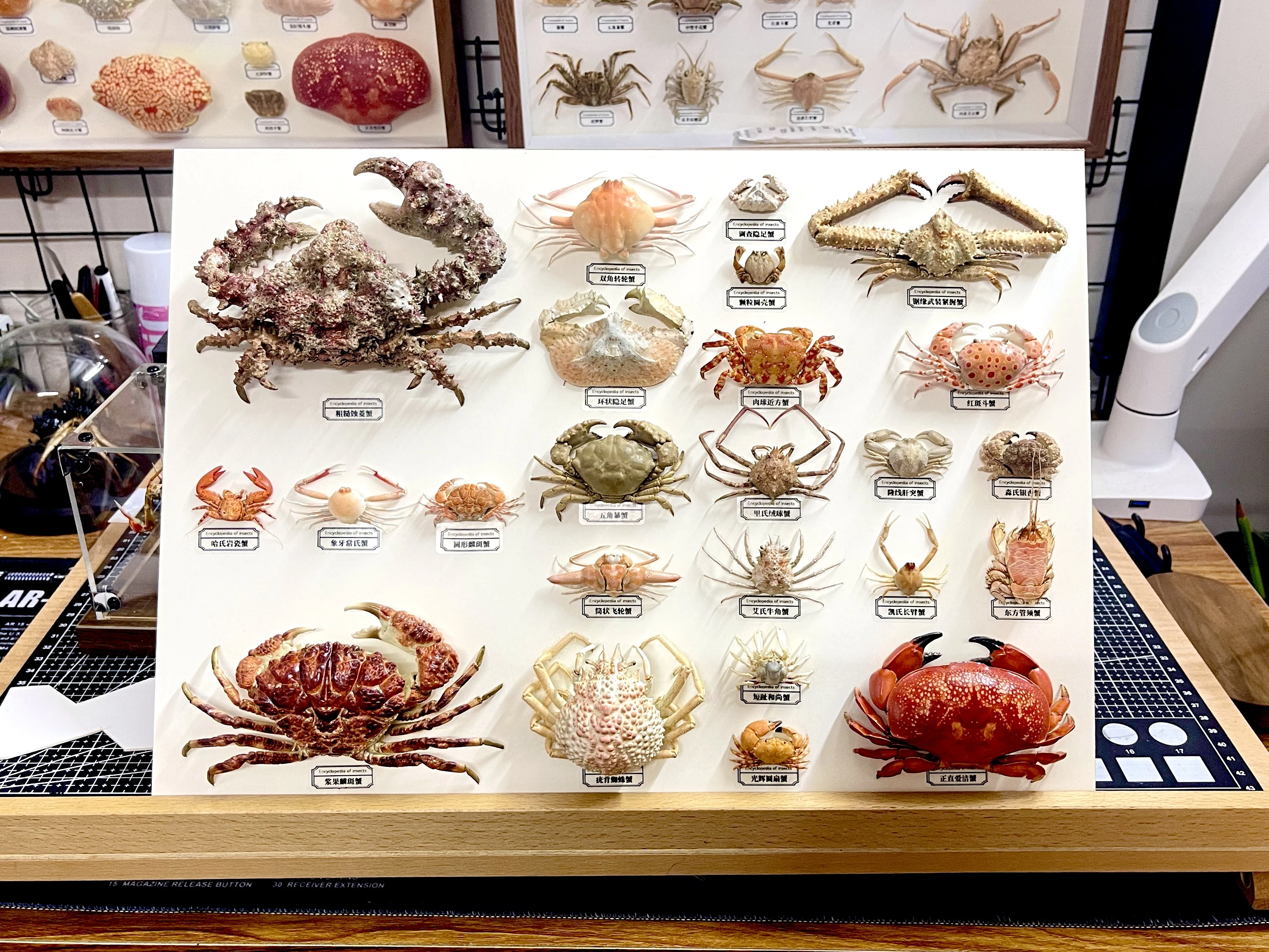
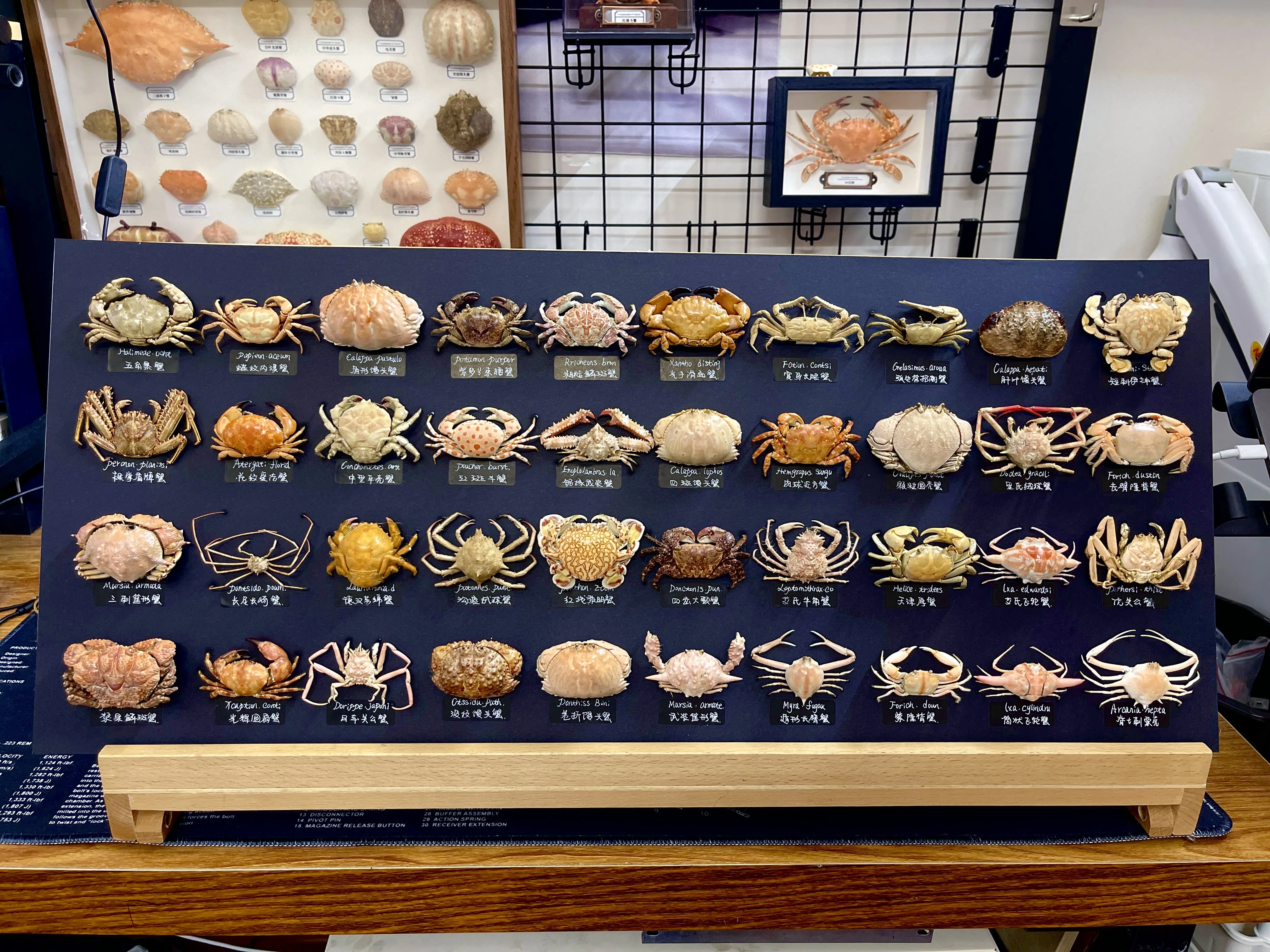
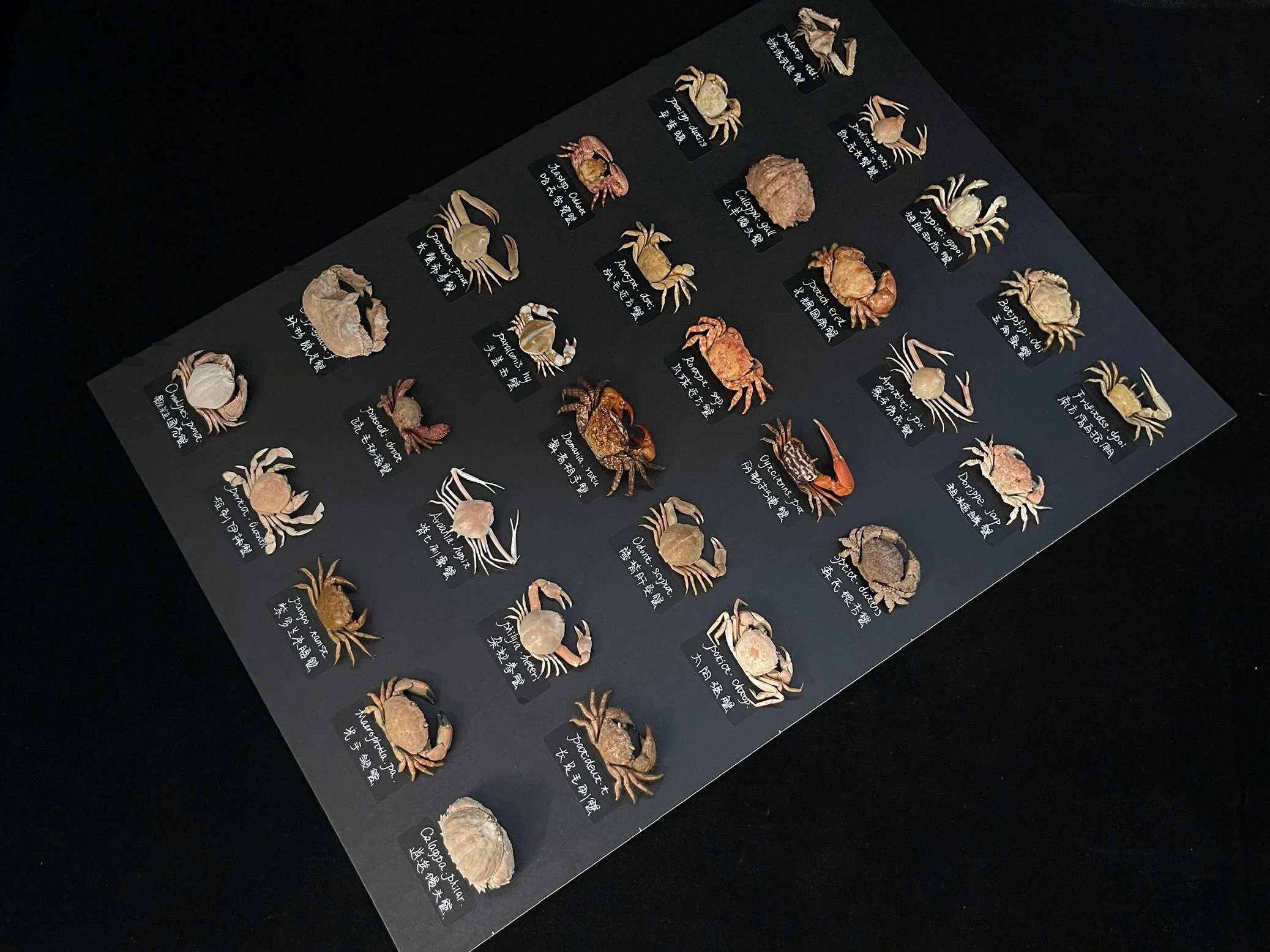
More Crabs Photo


Versandbedingungen
Wir möchten Ihnen einen reibungslosen und effizienten Versand ermöglichen. Wir möchten sicherstellen, dass Sie über unsere Versandverfahren informiert sind. Lesen Sie daher bitte unsere Versandrichtlinien unten:
Bearbeitungszeit:
- Sobald Ihre Bestellung aufgegeben und die Zahlung erfolgreich bearbeitet wurde, beginnt unser Team mit der Bearbeitung Ihrer Bestellung. Wir arbeiten mit Hochdruck daran, Ihre Artikel innerhalb von 24–48 Stunden versandfertig zu machen.
Versandarten:
- Um eine sichere und pünktliche Lieferung Ihrer Bestellungen zu gewährleisten, arbeiten wir mit zuverlässigen Spediteuren zusammen. Die für Ihre Bestellung gewählte Versandart hängt von verschiedenen Faktoren ab, darunter dem Zielort und der Größe/dem Gewicht des Pakets.
- Für die meisten Bestellungen bieten wir Standardversand an.
Versandkosten:
- Wir legen Wert auf faire und transparente Versandkosten. Für Bestellungen mit einem Warenkorbwert unter 50 € fällt eine Versandkostenpauschale von 4,99 € an. Übersteigt Ihr Warenkorbwert 50 €, ist der Versand kostenlos.
Voraussichtliche Lieferzeit:
- Unser Standardversand dauert in der Regel 8-12 Werktage ab dem Datum der Auftragsbearbeitung, bis Ihr Paket sein Ziel erreicht. Bitte beachten Sie, dass es sich hierbei um eine Schätzung handelt und die tatsächlichen Lieferzeiten aufgrund von Faktoren außerhalb unserer Kontrolle, wie z. B. Zollabfertigung, Wetterbedingungen oder unvorhergesehenen Umständen, abweichen können.


